A Guide To Dealing With Emergency Roof Leak Repair
Roof leaks are one of the worst home disasters that can happen. Not only is it a huge inconvenience, but it can also cause serious damage to your home if not dealt with quickly. If you’re dealing with an emergency roof leak repair and don’t know where to start, this guide is for you. We’ll walk you through some of the most important steps for emergency roof leak repair so that you can address the issue quickly and safely.
It doesn’t matter whether you’re experienced in DIY repairs or not - we have advice and tips to help everyone. With the right approach, dealing with an emergency roof leak repair doesn’t have to feel overwhelming.
Spotting the signs of A leaking roof
It's important to stay ahead of any roof leaks, as they can be costly and difficult to repair. It's not always easy to identify the signs of a leaking roof, but there are some key indications that you should look out for.
One sign is water staining on your ceiling or walls. This can come from a roof leak in your attic or along one of the walls of your house. If you notice any discoloration on the ceilings or walls, it's time to investigate further. Dark spots on wood furniture and floors can also indicate that water is entering somewhere in your home.
Assessing the damage
To get a better understanding of the extent of the damage and repairs needed, it's important to assess the situation. This can be done by an experienced roofer or contractor who is familiar with roofing systems. They will inspect the shingles, flashing, gutters, fascia boards and other components of your roof for signs of wear or damage.
Once they have identified any areas that need attention, they can make recommendations for repairs or replacements. This assessment should include checking for any water damage inside your home as well, such as discoloration on walls or ceilings.
Making safety precautions
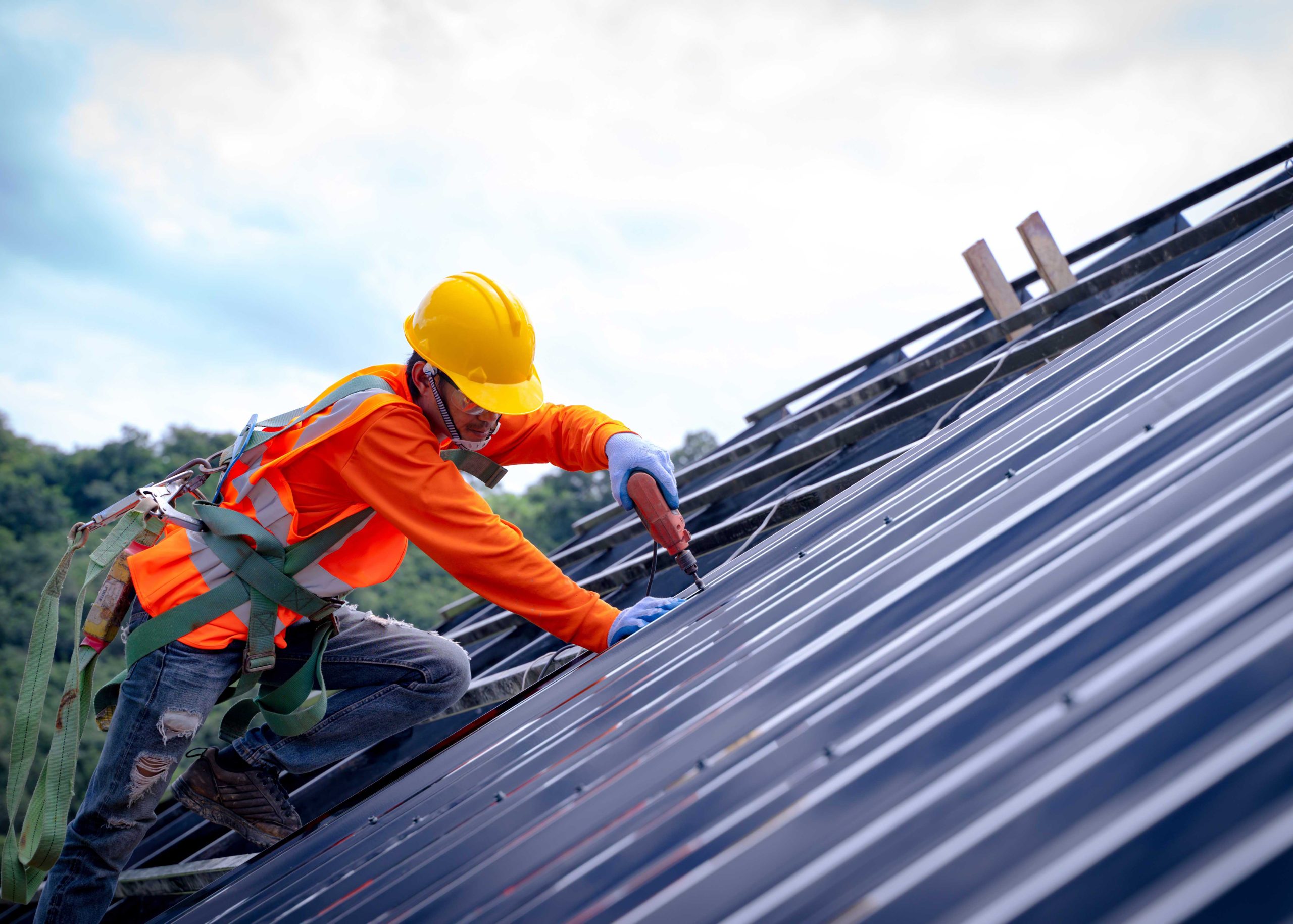
Before starting any repair work on your roof, it's essential to take safety precautions. This is especially true if you're attempting the repairs yourself. Roofs can be dangerous places to work, and it's important to follow all safety guidelines when working in these areas.
First, make sure you have access to the right tools and equipment for the job. This includes items such as ladders, harnesses, and protective clothing. If you don't have the right tools or don't feel comfortable using them, it's best to call in a professional who does.
Locating the source of the leak
Once safety precautions have been taken, the next step is to locate the source of the leak. This can be a tricky task as leaks can often be difficult to pinpoint with accuracy. The best way to determine the exact location of a roof leak is to inspect it from both inside and outside of the home.
If you're inspecting from the inside, look for signs of water damage on walls and ceilings. This could include discoloration or staining on surfaces where water has been leaking through for some time. You may also see water dripping from above or pooled up in certain areas of your home.
Plugging the hole temporarily
Once the source of the leak has been identified, it's important to take steps to plug the hole and prevent any further damage. Depending on the location of the leak, you may be able to plug it temporarily with some kind of sealant or adhesive material. If not, then you'll need to have a professional come in and repair it properly.
Finding an emergency roofer
When faced with an emergency roof leak repair, it's important to act quickly and find a reliable contractor to take care of the job. The sooner you can get the repairs done, the less chance there is for further damage. But how do you go about finding a qualified roofer in a pinch?
First off, it's best if you can rely on word of mouth recommendations from family and friends. Ask around to see if anyone has ever used a roofer they were happy with in an emergency situation. If not, then try searching online for local roofers who specialize in emergency repairs. Look at customer reviews and ratings to find out which ones have the most satisfied customers.
Choosing long-term repair solutions
It's also important to consider long-term solutions for your emergency roof leak repair. While a quick fix is necessary in the moment, you'll want to make sure that the problem won't keep coming back. Make sure that your chosen contractor can identify any underlying causes of the leak and recommend the best way to permanently fix it. This may include replacing certain parts of the roof or even doing a full re-roofing job if necessary.
Keeping track of insurance documentation
Once you've chosen a contractor and decided on the best repair solution for your emergency roof leak, it's important to keep track of insurance documentation. Keeping records of all repairs and replacements can be invaluable in the case of future damage or if you need to file a claim with your insurance provider. Make sure to save any paperwork from contractors, receipts for new materials, and any other relevant documents so that you have them handy when needed.
Taking preventative measures to avoid future leaks
Now that your emergency roof leak repair is complete, it's time to consider taking preventative measures to avoid future leaks. Taking the proper precautions can help ensure that your roof is better equipped to handle inclement weather and potential damage.
One of the most important steps in avoiding future leaks is performing regular inspections. Checking for signs of wear or damage on a regular basis can help you catch small issues before they become bigger problems. It's also important to make sure any existing ventilation systems are functioning properly and not blocked by debris. Good ventilation will help circulate air and reduce moisture buildup, which can lead to water damage.
By taking these simple steps, you'll be better prepared for any future roofing needs and protect yourself from costly repairs in the long run.
Checking for possible structural damage
After taking preventive measures, the next step is to check for any possible structural damage caused by the leak. This can include looking for signs of rotting wood along the eaves or in other areas where water has likely collected. It's also important to inspect the roof decking, as well as any insulation or ventilation systems that may have been impacted by the leak. Not only will this help identify any weak spots that need to be addressed, but it will also help prevent further deterioration of your roof in the future.
Contact our team today!
Are you looking for help from our team? Reach out to us today! Our friendly and knowledgeable staff will be happy to assist you with whatever you need. We've got the experience and expertise to provide you with the solutions you need. Whether you're looking for advice or just some extra information, our team is here to help. Don't hesitate to contact us. We are always eager to answer questions and provide support. Our team is just a message away!