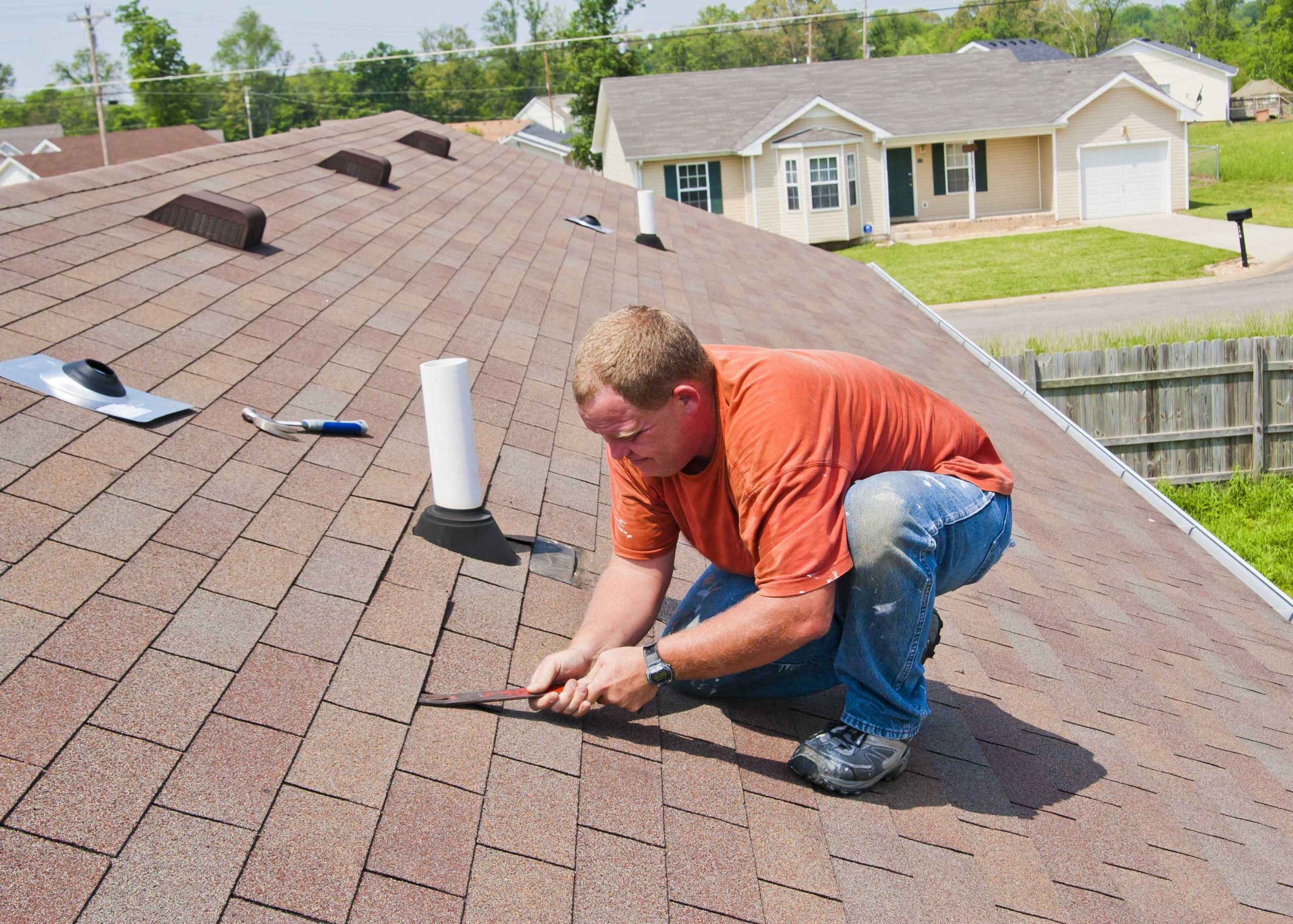
What Are The Most Common Types Of Emergency Roof Repairs?
Have you ever been in the middle of a thunderstorm and heard a strange noise coming from your roof? It’s not an uncommon occurrence, and it often means that you need to make an emergency roof repair. But what kind of repair do you need to make?
It’s important to be aware of these different types of repairs, so you can make sure your roof is always safe and secure. Even if you don’t have any immediate problems, it pays to know what kind of repairs might be needed in the future.
So, if you’re wondering what type of emergency roof repairs might come up in your home or business, keep reading! We’ll cover all the common types and provide tips on how to handle them quickly and safely.
Definition of emergency roof repair
When a roof is in need of immediate repair due to damage, leaks, or other issues, this type of repair is known as an emergency roof repair. Emergency roof repairs are important because they can prevent further damage to the home and any belongings inside. Without swift action, the interior and exterior of the home could be damaged further and cause costly repairs that may not be covered by insurance.
There are several different types of emergency roof repairs depending on the severity and cause of the damage. If a tree limb falls on a roof, it could cause major structural damage that requires more than just replacing shingles. Other common types of emergency roof repairs include fixing cracked shingles or tiles, patching holes caused by animals or weather conditions, sealing flashing around vents or chimneys, and replacing broken skylights.
Causes of emergency repairs
The causes behind emergency roof repairs can vary greatly depending on the age and condition of the roof. In some cases, damage caused by extreme weather such as wind or hail can be the culprit. Other times, it can be due to wear and tear from age or poor maintenance. There are also instances where animals have damaged a roof, either by creating nests in vents or chewing away at shingles or other materials. Regardless of the cause, swift action is necessary to prevent further damage from occurring.
When an emergency repair is needed, it's important to hire a qualified contractor who has experience in the field. They will assess the situation and make any necessary repairs to ensure that your home is safe and secure again. This could involve replacing broken shingles, patching holes, sealing flashing around chimneys or vents, and even replacing entire sections of missing roofing material if needed.
Identification of damaged areas
The first step in any emergency roof repair is to accurately identify the source of the damage. This involves a thorough inspection of the roof and its components, such as vents, chimneys, and flashing. The contractor will also check for signs of wear and tear due to age or improper maintenance. Identifying these areas can be difficult, so it's important to work with a professional who has experience with this type of repair.
Assessment of severity
Now that the damaged areas have been identified, it's time to assess how severe the repairs need to be. Depending on the extent of the damage, different types of emergency roof repairs may be necessary. Some of the most common types of repair include patching holes, replacing shingles, and replacing entire sections of roofing material. Additionally, contractors may also need to check for underlying issues that could have caused or contributed to the damage.
Patching and sealing holes
Patching and sealing holes is one of the most common types of emergency roof repairs. If a hole is discovered in the roof, it's important to patch it as soon as possible to prevent further damage from occurring. This can be done by applying a sealant over the area or with a patching material that is compatible with your roof type. It's important to make sure that any new patches or sealants match the existing roofing material so that there isn't an obvious difference between the old and new materials.
Replacing missing shingles
Another common type of emergency roof repair is replacing missing shingles. When shingles are missing or damaged, they can leave the underlying roof structure exposed to water and other elements, leading to further damage. It's important to replace them as soon as possible, as this will help protect the rest of your roof and prevent any additional damage from occurring.
Strengthening weak spots
In addition to replacing missing shingles, strengthening weak spots is another common type of emergency roof repair. This process involves reinforcing the weak areas of the roof, so they can better handle extreme weather conditions and provide additional support. For example, if there are any loose or damaged flashing around the edges of a roof, then contractors may need to secure it with metal fasteners or apply reinforcing materials to make it stronger.
Contractors may also need to inspect the roof for any signs of structural damage. Depending on the severity, this could involve anything from minor repairs such as replacing damaged shingles or tiles, to more extensive work like replacing entire sections of the roofing structure. In some cases, they may even have to replace the entire roof if it can’t be salvaged.
Fixing loose fascia and soffits
In addition to strengthening weak spots, another common type of emergency roof repair is fixing loose fascia and soffits. These components are essential for protecting your roof from water damage, as well as providing aesthetic appeal. In order to fix these components, contractors need to inspect them for any signs of wear or damage. If they find any, they'll usually need to replace the entire piece in order to ensure that it can properly protect the roof from the elements.
Unclogging gutters or downspouts
Another type of emergency roof repair involves unclogging gutters or downspouts. These components are essential for catching rainwater and directing it away from your home. If debris like leaves, twigs, or dirt builds up in the gutters or downspouts, it can cause water to back up onto the roof and damage it. If a contractor finds any clogs in these areas, they'll need to be cleared out right away in order to prevent further damage.
Final inspection
Once the gutters and downspouts have been cleared of debris and inspected for any wear or damage, the roofing contractor should also do a final inspection to make sure there are no other potential issues. This may include looking for any loose shingles, missing nails, cracks in flashing, or damage to the roof's membrane. If any of these issues are found, they should be fixed right away in order to prevent further problems from arising.
Contact our team today
Connect with our team now! We're here to help you with your emergency roof repairs. Get in touch today and let us show you how we can make a difference. Our experienced professionals are ready to answer any questions you may have. Contact us and we'll get the conversation started right away.